Overview
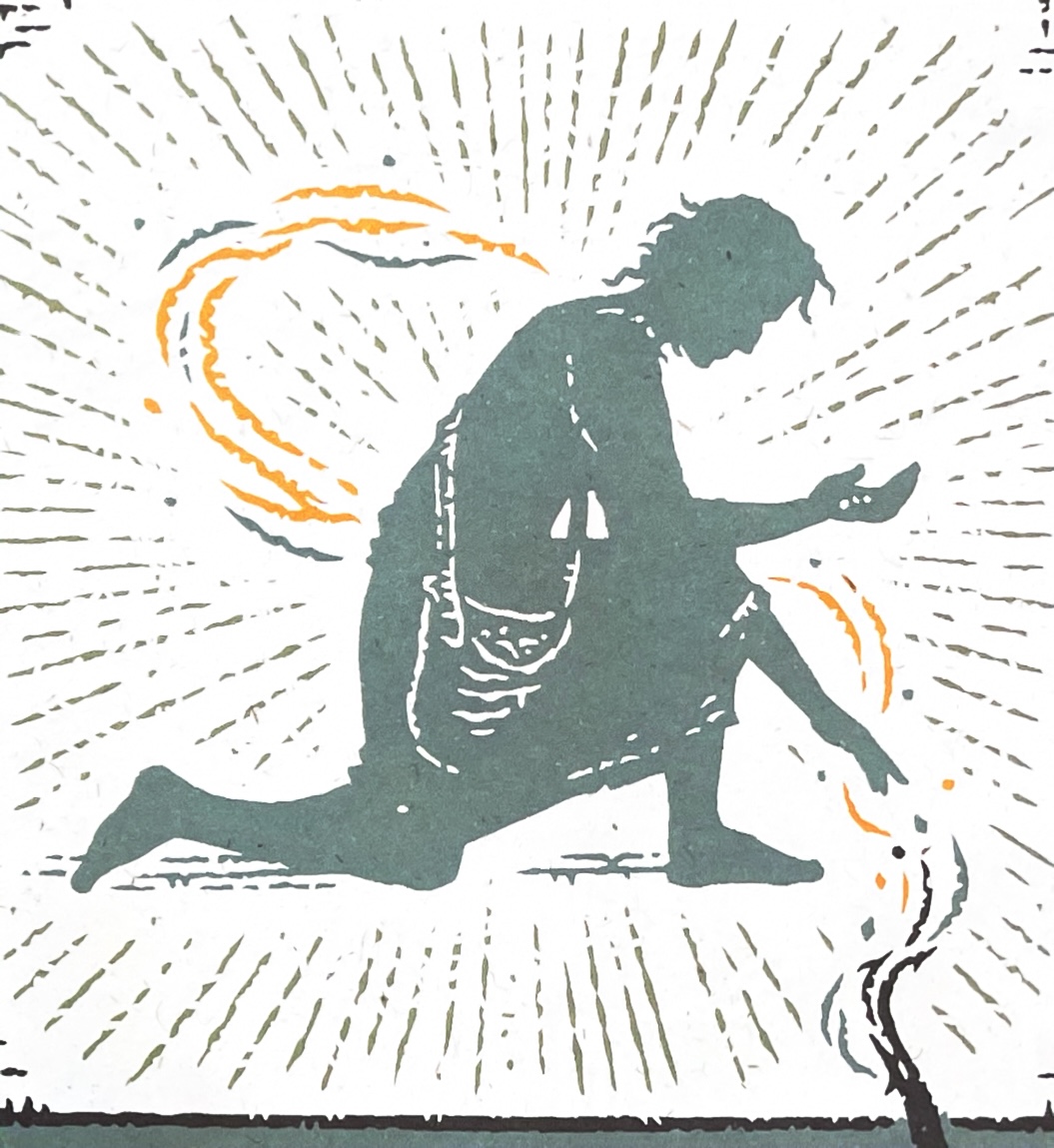
This is a sermon based on the biblical account of Elisha and the widow (2 Kings 4), in which a widow's husband has died leaving significant debt, and the creditor threatens to take her two sons as servants.
The widow has virtually nothing left in her house — only a small jar of oil.
Elisha asks her, "What is in your house?" — which becomes the central question of the sermon.
Key Message: Prepare the Empty Bowl
God's approach to crisis is fundamentally different from human instinct — rather than focusing on solving the problem directly, God first asks us to prepare empty bowls.
The command to gather empty bowls makes no common sense when all one has is a single oil bottle — yet it is precisely this act that reflects faith and expectation.
The sermon's central theme: do not fix your eyes on what is lacking in your life, but turn your gaze toward God who fills the empty bowl.
Why God Asks "What Do You Have?"
The widow, in her despair, could only see her losses — her husband, her financial security, and potentially her sons.
God's question is not about taking inventory of what is missing; it is meant to redirect our perspective from deficit to available grace.
When we are overwhelmed by crisis, we tend to focus more and more on reality and our own limitations, which leads to deeper despair and inaction.
God intentionally challenges this inward, problem-focused gaze.
Faith, Hope, and Preparation
Unlike times when God provided unconditionally (e.g., manna in the wilderness), in this story God asks for active preparation as an act of faith.
The number of bowls gathered reflects the level of expectation and faith — more bowls signal greater hope that God will fill them.
Focusing on one's own abilities and limitations will always suppress the will and effort to prepare; God calls us to act in hope despite circumstances.
The sermon encourages moving forward not weighed down by worry and doubt, but bringing a bowl filled with expectation for God's grace, love, and compassion
Spiritual Application
Believers are called not to bring a bowl "filled with worry and doubt," but to bring an empty bowl ready to be filled by God.
The act of preparing the bowl is itself the expression of faith — trusting that God will act even when circumstances appear impossible.
The sermon closes with an encouragement to approach God with hope, releasing the focus on shortcomings and moving forward in expectation of His provision.

'Jesus Christ > 주님과 함께' 카테고리의 다른 글
| 진리에는 높은 자리가 없습니다... 목회자와 평신도 (1) | 2026.08.01 |
|---|---|
| 렘넌트... 나는 '살아남은 자'인가, '남겨진 자'인가? (0) | 2026.07.31 |
| 나는 정말 예수님 복음을 믿고 있는가 (0) | 2026.07.31 |
| 창세기는 과학 교과서인가 (1) | 2026.07.26 |
| 바람이 불면 돛을 올려야 합니다 (0) | 2026.07.26 |
| 하나님을 사랑한다는 것은 무엇인가 (1) | 2026.07.26 |